ResearcherCollabResearcherCollab
Sign inJoin free →
ME

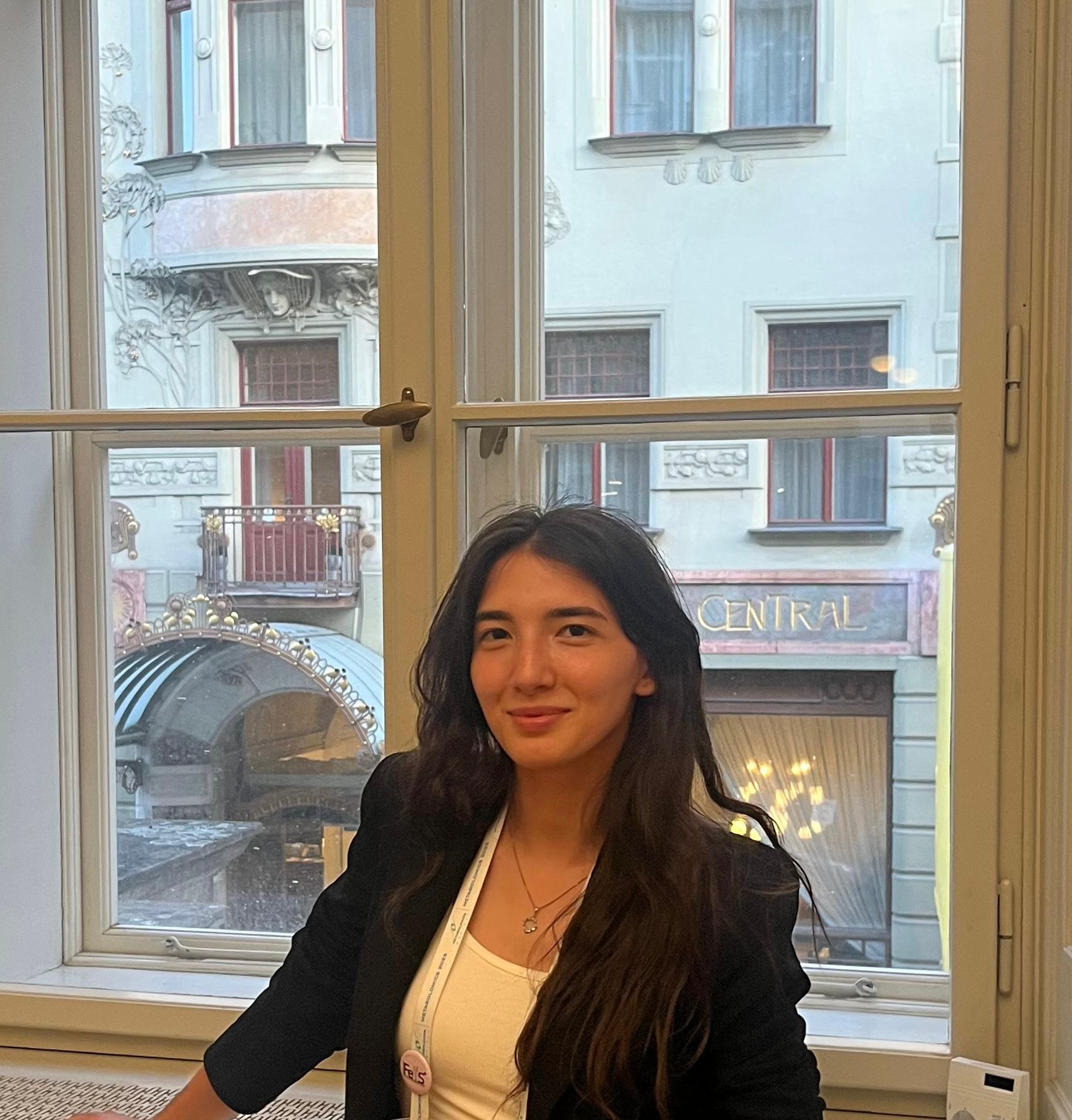
Manal El Faham

Medicine
Alexandria National University · Egypt
Connect →
2
Publications
0
Collaborations
0
Active calls

About

I am a medical student and clinical researcher driven by a deep curiosity for the medical sciences as a whole. Because I believe the most exciting breakthroughs happen at the crossroads of different disciplines, I keep my research focus intentionally broad and am entirely open to exploring new clinical topics, methodologies, and specialties.

My strength lies in the execution of high-quality research. From diving deep into the initial literature review and structuring rigorous systematic reviews, to the fine details of medical writing, manuscript editing, and even visual figure design, I enjoy the entire lifecycle of a project. I am also deeply invested in research integrity, having completed certified training in the peer-review process with major publishers like Clarivate, Springer Nature, and Elsevier.

I thrive in collaborative, fast-paced environments and love working with international teams. Whether you are working on a case report, a massive systematic review, or a clinical trial in any specialty—and you need a dedicated, adaptable co-author to help bring it to publication—let’s connect and see how we can collaborate!
Research keywords

Systemic ReviewsMedical WritingClinical ResearchPeer ReviewNeurologyOtolaryngologyInternal MedicineLiver & Metabolic SyndromeForensic Neuropathy

Publications

2

The hidden lesion: multimodal forensic evaluation of diffuse axonal injury in traumatic brain death

Egyptian Journal of Forensic Sciences · 2026

Abstract Background Diffuse axonal injury (DAI) is a severe form of traumatic brain injury associated with high-velocity impact, acceleration–deceleration forces, and rotational trauma. Despite its clinical and forensic importance, DAI frequently eludes detection on gross examination at autopsy, rendering it a “hidden lesion” that necessitates microscopic evaluation and advanced neuroimaging for accurate diagnosis. In forensic practice, DAI plays a pivotal role in determining the mechanism and timing of injury, particularly in fatal trauma and suspected non-accidental head injury. This review aims to synthesize current evidence on the pathophysiology, neuropathological features, diagnostic modalities, and forensic and medicolegal implications of DAI in traumatic brain injury, with particular emphasis on its role in death investigation. Main body The pathophysiology of DAI involves shearing forces that disrupt axons at interfaces of differing brain densities, particularly within the corpus callosum, brainstem, and subcortical white matter. Histopathological findings include axonal swellings and retraction bulbs, with enhanced detection through immunohistochemical markers such as β-amyloid precursor protein (β-APP) and neurofilaments. Radiologically, magnetic resonance imaging (MRI) demonstrates superior sensitivity compared to computed tomography (CT), especially with advanced techniques including susceptibility-weighted imaging (SWI) and diffusion tensor imaging (DTI). From a forensic perspective, DAI is central to the evaluation of traumatic brain injury, including cases of abusive head trauma (AHT), where it contributes to the assessment of both mechanism and timing of injury. Conclusion Diffuse axonal injury remains a diagnostically challenging yet forensically significant entity in traumatic brain injury. Accurate identification requires a multidisciplinary approach integrating clinical context, advanced neuroimaging, and targeted histopathology. Improved recognition enhances the accuracy and reliability of medicolegal determinations, particularly in complex trauma and suspected abuse, reinforcing its value in forensic practice.

Understanding and Managing Ménière’s Disease: A Comprehensive Case Report

Cureus · 2026

Ménière's disease (MD) is a chronic vestibular disorder characterized by recurrent vertigo, fluctuating sensorineural hearing loss (SNHL), tinnitus, and aural fullness, with an unpredictable course that can significantly impair quality of life. Endolymphatic hydrops (EH) remains the hallmark histopathological finding; however, its underlying pathophysiology is not fully understood and likely reflects a multifactorial process involving immune, viral, allergic, genetic/familial, and vascular mechanisms. Emerging evidence suggests that EH may represent a secondary manifestation rather than the primary driver of symptoms, potentially resulting from endolymphatic sac hyperplasia. Given this complexity, no single unifying mechanism has been confirmed, and etiologic contributors may vary among patients. Presenting a clinical case, therefore, provides valuable insight into this heterogeneity and highlights the need for continued research to clarify the underlying pathology of MD. This report presents a 57-year-old male with recurrent vertigo, progressive moderately severe right-sided SNHL, tinnitus, and severe vitamin D deficiency. Diagnostic pure-tone audiometry, comprehensive vestibular testing, and imaging were performed. Management consisted of lifestyle and dietary modifications, pharmacologic therapy, vestibular rehabilitation, vitamin D supplementation, and hearing aid rehabilitation, resulting in improved vertigo control, balance, and overall quality of life. The discussion integrates current diagnostic criteria, differential considerations, and evidence-based management strategies, emphasizing individualized, patient-centered care and the importance of recognizing emerging modifiable factors such as vitamin D deficiency and potential genetic susceptibility. The central aim of this case report is to enhance medical students' understanding of this multifaceted disorder and to underscore the clinical reasoning skills required for accurate and timely diagnosis.

Other Medicine researchers

ST
Silvia Tedesco
Fondazione Policlinico Universitario Agostino Gemelli · Italy
Rene Mih Tah
Rene Mih Tah
France
Zarifa Jamalova
Zarifa Jamalova
Università di Padova · Italy
SA
Saad Asghar
Allama Iqbal Medical College Lahore · Pakistan
Guillem Esteve Boncompte
Universitat de Lleida · Spain
Atuhaire Arnold
Atuhaire Arnold
Kabale University School Of Medicine · Uganda
ResearcherCollab
Want to collaborate with Manal?
Connect with researchers worldwide. Free to join.
Join ResearcherCollab →