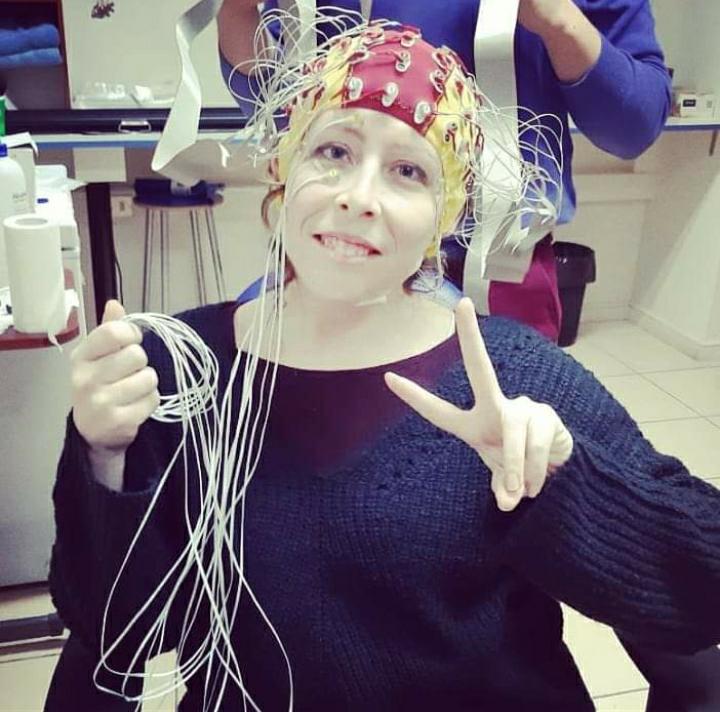
An italian mother living in Chile. I studied at the Sapienza (University of Rome) and I am currently working at the Catholic University of Maule (Talca, Chile). I am an Associate Professor/Researcher in the Faculty of Health Sciences. My interests range from spatial cognition to perception, but the topic I am most interested in is Consciousness. Methodologies: EEG, TMS, behavioural paradigms.
Cognitive neuroscience: perceptual awareness executive functions. Theories of consciousness. GenAI relationships ethics of research neuroethics.
The so-called neurorights are emerging human rights, or rather reconfigurations of already existing human rights, seeking to address the impact of the possible misuse of neurotechnologies, which have the potential to become more invasive and harmful in the future if not regulated. The aim of specifying neurorights is to protect the dignity and autonomy of the individual in the face of neurotechnological advances. Recently, Chile proposed a Constitutional reform inspired by the neurorights, opening a debate. One of the proposed neurorights is fair and equitable access to cognitive enhancement, which will be the specific object of this perspective article. Starting from the legal proposal, we analyse and discuss some perspectives on cognitive enhancement, or “neuroenhancement”, which could be considered as part of enhancement neurotechnologies, pointing out that pharmacological enhancers, or “smart drugs”, might be considered as part of these enhancers. We present a classification of the different types of cognitive enhancements as it has been proposed in the literature, into which pharmacological cognitive enhancement can be included, concluding that there is currently no agreement amongst scholars and lawyers about the ethical consideration of pharmacological cognitive enhancement. We therefore argue that it is necessary for the legislator to explicitly address the issue in the proposed regulations, in order to take a clear position on the topic, as it has been done in the United Kingdom, where the pharmacological neuroenhancers have been explicitly excluded from the regulation. If pharmacological neuroenhancers are going to be considered neurotechnologies, then new law proposals should seek harmonization with the already existing legislation regulating pharmacological health and consumer rights (both globally, taking into account international drug laws, and locally, according to each country's internal regulations) and of course, with the whole system of fundamental rights. Finally, we briefly discuss the ethical problem of equitable access to this new type of neurotechnologies (as part of the neurorights) and leave the debate open for new insights from the scientific community on the possible consequences of including (or not) pharmacological neuroenhancers as neurotechnologies for cognitive enhancement in the framework of the ethical and legal debate.
Humans tend to spontaneously imitate others’ behavior, even when detrimental to the task at hand. The action observation network (AON) is consistently recruited during imitative tasks. However, whether automatic imitation is mediated by cortico-cortical projections from AON regions to the primary motor cortex (M1) remains speculative. Similarly, the potentially dissociable role of AON-to-M1 pathways involving the ventral premotor cortex (PMv) or supplementary motor area (SMA) in automatic imitation is unclear. Here, we used cortico-cortical paired associative stimulation (ccPAS) to enhance or hinder effective connectivity in PMv-to-M1 and SMA-to-M1 pathways via Hebbian spike-timing-dependent plasticity (STDP) to test their functional relevance to automatic and voluntary motor imitation. ccPAS affected behavior under competition between task rules and prepotent visuomotor associations underpinning automatic imitation. Critically, we found dissociable effects of manipulating the strength of the two pathways. While strengthening PMv-to-M1 projections enhanced automatic imitation, weakening them hindered it. On the other hand, strengthening SMA-to-M1 projections reduced automatic imitation but also reduced interference from task-irrelevant cues during voluntary imitation. Our study demonstrates that driving Hebbian STDP in AON-to-M1 projections induces opposite effects on automatic imitation that depend on the targeted pathway. Our results provide direct causal evidence of the functional role of PMv-to-M1 projections for automatic imitation, seemingly involved in spontaneously mirroring observed actions and facilitating the tendency to imitate them. Moreover, our findings support the notion that SMA exerts an opposite gating function, controlling M1 to prevent overt motor behavior when inadequate to the context.
Hypericum perforatum, also known as St. John’s Wort, pericon, or yellow grass, is known for its antidepressant potential. It could represent a natural alternative to current pharmacological antidepressant treatments, which have a high incidence of side effects in patients and therefore lead to early dropouts. Through a bibliographic revision of clinical trials and information collected from scientific articles during the first period of 2020, we aimed to evaluate whether its administration could be beneficial in the treatment of mild-to-moderate depression, with fewer side effects compared to synthetic drugs. Among the main components, hypericin and hyperforin have been related to the observed antidepressant activity; therefore, their possible mechanism of action was reviewed and highlighted. Furthermore, patients receiving Hypericum extracts were less likely to withdraw from studies because of adverse effects compared to those receiving older standard antidepressants. This review aims to provide suggestions for an alternative treatment of mild-to-moderate depression disorder under the supervision of a medical doctor, since, although it appears to be a potentially efficient treatment with a low presence of adverse effects in comparison to synthetic antidepressants, it might also interact with other medications and lead to therapeutic failures if misused for self-medication.
Generative artificial intelligence (GenAI) is being increasingly integrated in everyday applications and devices. In this new frontier of technology interface, psychologists hold a significant role in understanding and guiding human-AI interactions. This theoretical contribution proposes a framework for the psychological and ethical dimensions of human–GenAI relationships, structured across four key dimensions: (1) individual psychological characteristics and susceptibilities, such as insecure attachment styles, low self-efficacy, and emotional dysregulation or immaturity; (2) interpersonal dynamics, including emotional projection and the illusion of reciprocity; (3) processes occurring at the group level, such as the symbolic inclusion of GenAI agents within human communities or social groups and the evolution of societal norms; and (4) emerging ethical concerns, such as perceived agency, illusory consent, and the use of synthetic data that may amplify biases, alongside the utilization and acquisition of biometric and cognitive data for interaction modeling. Within the sphere of interpersonal dynamics, we propose the concept of “Techno-Emotional Projection” (TEP) to describe how emotionally vulnerable users may project relational needs onto emotionally responsive but non-conscious technologies. This projection can lead to a sort of “emotional looping” (a recursive reinforcement of expectations through repeated interaction) and, over time, to the formation of a synthetic attachment to the GenAI technology. Drawing from psychological theories and empirical studies, we argue that these relationships have subjectively real consequences and deserve careful study. Finally, we propose directions for ethical design, emotional AI literacy, and socially responsible integration of GenAI into human life. This perspective aims to foster a balanced, informed, and human-centered approach to this rapidly evolving field.
Persistent organic pollutants (POPs) are organic compounds that resist biochemical degradation, moving long distances across the atmosphere before deposition occurs. Our goal was to provide up-to-date data on the levels of polychlorinated dibenzo-p-dioxins/furans (PCDD/Fs) and dioxin-like polychlorinated biphenyls (DL-PCBs) in breast milk from Chilean women and to estimate the exposure of infants due to breast milk consumption. In Chile, we conducted a cross-sectional study based on methodologies proposed by the WHO, with a sample of 30 women recruited from three defined areas: 10 from the Arica Region (urban; Arica and Parinacota Region), 10 from Coltauco (rural; O’Higgins Region), and 10 from Molina (40% rural; Maule Region). High-resolution gas chromatography coupled with high-resolution mass spectrometry (HRGC/HRMS) was performed on pooled samples from each area. We calculated equivalent toxic concentrations (WHO-TEQ) based on the current WHO Toxic Equivalency Factors (TEF). The minimum and maximum values of ∑ PCDDs/Fs + DL-PCBs-TEQ were 4.317 pg TEQ/g fat in Coltauco and 6.31 pg TEQ/g fat in Arica. Molina had a total TEQ of 5.50 pg TEQ/g fat. The contribution of PCDD/Fs was approximately five-fold higher than that of DL-PCBs. The Estimated Daily Intake (EDI) of ∑ PCDDs/Fs + DL-PCBs based on the three pooled samples ranged between 6.71 and 26.28 pg TEQ/kg body weight (bw)/day, with a mean intake of 16.11 (±6.71) pg TEQ/kg bw/day in breastfed children from 0 to 24 months old. These levels were lower than those reported in international studies. Despite the fact that the observed levels were low compared to those in most industrialized countries, the detection of a variety of POPs in breast milk from Chilean women indicates the need for follow-up studies to determine whether such exposures during childhood could represent a health risk in adulthood.
There is a substantial use of pesticides within the agricultural industry of Chile, with neurotoxic effects through mechanisms of acetylcholinesterase inhibition. These pesticides result in deterioration in health, increasing the risk of diseases such as Parkinson’s and Alzheimer’s in highly exposed occupational population. To date, there are no brief assessment tools to monitor cognitive impairment in agricultural workers chronically exposed to these pesticides. Method . 234 agricultural workers and 305 nonagricultural workers were assessed two times (test-retest) through a brief tool which comprised three tests (clock-drawing test (CDT); frontal assessment battery (FAB); trail making tests (TMT) A and B). The full scale of WAIS-IV was administered as a gold standard to 18% of the sample of agricultural workers. Factor analysis was used to evaluate the factor structure, and validity and test-retest reliability were assessed concurrently. Results . Cronbach’s alpha values were satisfactory or above (>0.60). Test-retest correlations were all significantly correlated (<mml:math xmlns:mml="http://www.w3.org/1998/Math/MathML" id="M1"><mml:mrow><mml:mi>p</mml:mi><mml:mo><</mml:mo><mml:mn>0.001</mml:mn></mml:mrow></mml:math>). All the tests had a significant correlation with the full scale IQ score of WAIS-IV (<mml:math xmlns:mml="http://www.w3.org/1998/Math/MathML" id="M2"><mml:mrow><mml:mi>p</mml:mi><mml:mo><</mml:mo><mml:mn>0.05</mml:mn></mml:mrow></mml:math>). The Kaiser–Meyer–Olkin (KMO) measure was 0.74, and the Bartell sphericity test = <mml:math xmlns:mml="http://www.w3.org/1998/Math/MathML" id="M3"><mml:mrow><mml:mi>p</mml:mi><mml:mo><</mml:mo><mml:mn>0.001</mml:mn></mml:mrow></mml:math>. Three factors explaining 61.62% of the variance were extracted. Two items of the FAB test were dropped of the final factor solution. Normative data transformed into percentile scores and stratified by age and educational level were obtained for Chilean agricultural workers. Conclusion . The brief assessment tool has adequate metric properties as a screening instrument. This allows for a simple administration test (10 to 15 minutes) that can potentially be used for the rapid monitoring of cognitive deterioration in the face of occupational exposure to pesticides in agricultural workers.
The SARS-CoV-2 virus emergency prompted unprecedented safety measures, which were accepted by the population of each country to different degrees, for example, with more or less willingness to use personal protective elements (PPEs). We have developed a mathematical model of the contagion process, based on chilean data, to assess the interaction between biological factors (such as the impact of vaccination) and behavioral factors (such as the population’s perception of risk). The model clearly shows that the virus spreads through three waves of contagion, the second being the most prominent, regardless of any alteration in the variables taken into account, which only affect the overall number of people infected. By considering alternative values of the risk perception variable and examining the different possible scenarios, we have also found that the less reaction to change the population has (and the lower the disposition to use PPEs), the higher the waves of contagion and the death toll are.
Binocular rivalry is a visual phenomenon in which perception alternates between two different monocular images presented to each of the two eyes. Here, we propose using this phenomenon as a method to study the relation between action execution and action perception. In our experiment, a simple background (a checkerboard) was contrasted with a video representing a hand continuously grasping and releasing a ball. In Experiment 1, our subjects were asked to reproduce the perceived movement with their right hand whenever they became aware of it and to stop doing this when the checkerboard dominated. Our results revealed that motor imitation of the perceived action significantly increased the time spent perceiving the hand. Three control experiments showed that these effects were not due to a generic involvement of focused attention (Experiment 2 and 3), to a verbal description of the performed action (Experiment 3) or to the execution of an unrelated movement of the hand (Experiment 4). Although an intrinsic connection between action execution and attention cannot be excluded with certainty, and the boundary between action imitation and unrelated action execution may vary along various degrees of similarity, on the whole, the present results seem to suggest, at least on a preliminary basis, that action imitation do play a relevant role in the perception of action. We discuss these findings in the frame of current theories concerning the relation between perception and action.
Many interesting theories of consciousness have been proposed, but so far, there is no “unified” theory capable of encompassing all aspects of this phenomenon. We are all aware of what it feels like to be conscious and what happens if there is an absence of consciousness. We are becoming more and more skilled in measuring consciousness states; nevertheless, we still “don’t get it” in its deeper essence. How does all the processed information converge from different brain areas and structures to a common unity, giving us this very private “feeling of being conscious”, despite the constantly changing flow of information between internal and external states? “Multistability” refers to a class of perceptual phenomena where subjective awareness spontaneously and continuously alternates between different percepts, although the objective stimuli do not change, supporting the idea that the brain “interprets” sensorial input in a “constructive” way. In this perspective paper, multistability and perceptual awareness are discussed as a methodological window for understanding the “local” states of consciousness, a privileged position from which it is possible to observe the brain dynamics and mechanisms producing the subjective phenomena of perceptual awareness in the very moment they are happening.
The COVID-19 pandemic has affected the lifestyles of people of all ages, conditions and occupations. Social distance, remote working, changes in diet and a lack of physical activity have directly and indirectly affected many aspects of mental and physical health, particularly in patients with many comorbidities and non-communicable diseases (NCDs). In our paper, we analyzed COVID-19 hospitalized and non-hospitalized cases according to comorbidities to assess the average monthly percentage change (AMPC) and monthly percentage change (MPC) using open access data from the Chilean Ministry of Science, Technology, Knowledge and Innovation. As expected, the infection mainly affected patients with comorbidities, including cardiovascular risk factors. The hospitalized cases with obesity and chronic lung disease increased throughout the period of June 2020–August 2021 (AMPC = ↑20.8 and ↑19.4%, respectively, p < 0.05), as did all the non-hospitalized cases with comorbidities throughout the period (AMPC = ↑15.6 to ↑30.3 [p < 0.05]). The increases in hospitalizations and non-hospitalizations with comorbidities may be associated with physical inactivity. A healthy lifestyle with regular physical activity may have had a protective effect on the COVID-19 severity and related events in the post-pandemic period, especially for the NCD population.
A protective work environment should account both for employees’ health and for reducing psychosocial risk. Physical exercise during the workday could be a tool to improve working performance and reduce sickness-related absenteeism and work-related stress, especially for workers suffering from Non-Communicable Chronic Diseases (NCCDs). Our aim was to evaluate the short-term effects of physical exercise performed during the workday on employees’ emotions (Anxiety, Dejection, Anger, Excitement and Happiness) suffering from NCCDs in Chile. A pre- and post- exercise emotions questionnaire was administered during each training session in the frame of a larger internal Institutional project aimed to reduce NCCDs symptoms in local University employees. This preliminary study (N = 20) was aimed to collect evidence of the short-term psychological benefits of such a program. Results show significant differences in the Anxiety, Excitement and Happiness levels as reported by the subjects before and after performing the physical routine each day of training. After the exercise, volunteers themselves acknowledged that they felt “better and relieved” (i.e., less anxious, more excited and happier) at the end of the 30-minute training. This preliminary study shows that even a short physical exercise program could be an effective tool to increase employees’ positive mood and reduce anxiety. This suggests that exercise could be a key factor for institutions to develop guidelines for reducing psychosocial occupational risk and disease prevention in the workplace. Further investigation with larger sample sizes and different populations is needed to generalize these outcomes and evaluate long-term benefits according to individual differences and health issues.
La biometrÃa ha tenido una rápida expansión como tecnologÃa, siendo cada vez más accesible para el público general, prestando utilidad a los gobiernos y a la sociedad en el manejo de la seguridad ciudadana. Se aplica para la verificación o la identificación de la identidad de un individuo y, desde un punto de vista puramente técnico, constituye un problema de reconocimiento de patrones. En Chile, el marco legal acerca del manejo de datos personales no incluye especÃficamente a la biometrÃa. A la fecha, se encuentra en trámite un nuevo proyecto de ley que considera tanto los datos biométricos como los perfiles biológicos. En otros paÃses, los informes de las últimas dos décadas, que analizan el uso de biometrÃa, plantean como principal foco de preocupación, desde el punto de vista ético, el derecho a la privacidad de los individuos, entregándose orientaciones prácticas acerca de la aplicación apropiada de estas tecnologÃas. Finalmente, desde un breve análisis de la biopolÃtica, se contextualiza el papel que cumple la biometrÃa y los requerimientos éticos básicos para su desarrollo en dicho marco.
How people face changes in their lives depends on a series of factors, encompassing individual (cognitive, psychological and emotional) and collective (i.e., cultural) aspects, which originate positive and negative perceptions that help individuals organize the reality around them. These perceptions are of crucial importance in processes involving cultural transitions of indigenous communities as the former may influence life-changing decisions and the communities’ cultural identity. This is the case of the indigenous communities of Collas in the northern region of Atacama (Chile) who, for several reasons, have, over the last decades, migrated back and forth between the Cordillera 1 and the city. In this paper, we investigate the positive and negative perceptions of nature for both, the Cordillera and the city, settings as a fundamental aspect of Collas’ identity, and discuss the similarities and differences of these perceptions according to participants’ geographical location, age and gender.
Abstract. Intra-scenario operator mobility is claimed to be a strong advantage when acquiring situational awareness within a robot teleoperation. This factor should not be discounted when seeking to build more effective Human-Robot Interaction (HRI) systems. In this paper, on the basis of extensive experimentation comparing a desktopbased interface wrt. a PDA-based interface for remote control of mobile robots, we provide support (and also some confutation) of this claim. The experiments were performed in order to identify the most suitable operator interface for controlling a mobile robot depending on the task and mobility/visibility of the operator. 1
Background: In the last 25 years, Chile has had an expanding role as an agro-export country in the global economy, with efficient rates of productivity in the region, large areas with monocultures and the intensive application of agrochemicals. This form of agriculture has also lacked efficient regulations and surveillance, so it is difficult to estimate the real magnitude of the exposed population and its acute and chronic effects on health. Objective: to compile the epidemiological evidence on health effects associated with pesticide exposure and to promote a public discussion on pesticides used in Chile. Methods: in this review, epidemiological studies made in Chile were identified from Scielo and Pubmed databases according to PRISMA criteria. No restrictions by year were used. Results: 13 studies estimated exposure to pesticides and health effects; the other 6 studies only estimated exposure or susceptibility. Of the total number of articles, 50% included farmers, 25% children, and 25% women of childbearing age. The greatest effects being the neurotoxic (54%), genotoxic (31%) and reproductive (15%). Based on the highest quality published studies (n=5), significant associations were established between cognitive impairment (e.g., verbal comprehension, visual and auditive memory, and processing speed) and exposure in farmers and children; DNA damage levels were higher in farmers than controls. Conclusions: The evidence collected shows exposure to pesticides in the general and occupational Chilean populations. Despite several limitations observed in some studies, the evidence collected until now allow shows the urgency to protect the health of both the occupational and general population and especially children through stricter control of the sale and use of pesticides, with comprehensive surveillance systems in environmental health and educational actions in the context of vulnerable communities. It is a priority to strictly restrict the use of pesticides already prohibited in developed countries.
Emergency and exploration missions are accomplished by remote stationary personnel and on-site responders that can deploy robots for dealing with situations involving hazard or inaccessibility. Thus, human-robot interaction (HRI) plays a key role in these kinds of applications. Intra-scenario operator mobility is often considered to be advantageous for acquiring situational awareness (SA) in the context of robot teleoperation, but non portable devices can provide a greater volume of processed information. This should not be discounted when trying to build more effective human-robot interaction (HRI) in search and rescue (SAR) or exploration missions. In this paper, we report a set of experiments comparing a desktop-based interface with a PDA-based interface for remote control of mobile robots. Our goal is twofold. First we aim at defining which kinds of operators have the best SA under different conditions. Second, we investigate a control transfer policy for determining when an operator should hand over to another, depending on the device, the task and the context.
Navigating in an environment means not only orienting. Beside the orienting process, it seems to involve also planning, that is another process considered as a form of problem solving. A navigation through the environment without a plan may be not efficient as it is. Despite these consideration, very few studies drew attention on interaction between planning and wayfinding (i.e., finding a way in the environment we are navigating in), using a planning task within a wayfinding task in either a real or a simulated environment. In cognitive psychology, visuospatial planning process has been studied using the “Traveling Salesperson Problem” (TSP), which simulates a salesperson who has to achieve all the errands displayed on a map in the shortest route and time. In the present work, a 3D version task developed from the Maps task (a 2Dcomputerized task based on TSP paradigm) was used: subjects should navigate by means of a computer keyboard into a 3D simulation of a regular grid of gangways, aiming to collect all the subgoals. During the execution of the task, rTMS stimulation at 1 Hz of either the parietal (P3 or P4) and frontal (F3 or F4) lobes was hypothesized to induce a worsening in the performance only if these areas are involved in the task. Since both planning and wayfinding are required to efficiently execute the task, a network of cortical areas has been hypothesized to be their neural substrate. In particular, we hypotesized that: a) rTMS on PFC should disturb the execution of the plans; b) inhibition of PPC should interfere with plan creation in its visuospatial and representational components; c) gender differences may emerge from the stimulation of the 2 hemispheres and areas. Hypotheses were confirmed by several results: TMS generally worsened women performance when stimulating right PPC, while men performed worse when left PFC was stimulated. In general, males exhibited shortest paths, execution and planning time with respect to females. Planning during a wayfinding task, therefore, seems to involve a cerebral network based on PPC and PFC. An explanation for the role of the 2 regions is proposed: PPC is mainly involved in generating a plan based on the environment representation, while PFC monitors the execution of the plan and, if needed, operates a switch to a new plan. Moreover, sexual differences are found to modulate the distribution of these processes.
Although developmental dyscalculia has a prevalence between 5% and 7%, it does not receive the same public recognition as compared to dyslexia. The low diffusion of scientific studies regarding this specific learning disorder is accompanied to increased difficulties in inclusive classrooms, where teachers are required to meet heterogeneous educational needs. Nowadays, educational interventions for dyscalculia are likely to be limited due to a lack of didactical instruments to help teachers in daily work. The link between research on mathematical diseases and education practice still needs to be consolidated and supported with effective methods and materials. \n \nThis article presents a case study involving two primary school students (8 and 9-year-old), attending an Italian public school, one with a diagnosis of dyscalculia and one with difficulties in mathematics. Based on recent studies of cognitive and developmental neuroscience, an educational intervention was carried out to support and reinforce their competence of understanding numerosity, being an essential skill to build mathematical knowledge. According to the learning by doing methodology, students were presented with a series of manipulative activities using interlocking cubes (ArtecBlocks). These were specifically designed for mathematics education, in order to combine gamified manual activity with the opportunity of learning by doing, supporting intrinsic motivation and decreasing math anxiety. \n \nAfter one month, the intervention showed improvements in both students, but with a different extent. The student with dyscalculia showed significant improvements in counting, in calculation procedures and recall of arithmetic facts, as well as increase in accuracy and control over the result and a reduction in response times. On the other hand, the student with difficulties in mathematics showed limited improvements, mainly due to an increase in her self-efficacy. \n \nResults indicate that the intervention could be successful depending on certain conditions but, more importantly, that the proposed methodology is promising and deserves further investigation.
Perceptual oscillations between different interpretations of unchanging, ambiguous stimuli have been studied for decades, being that this special phenomenon is considered a key towards the understanding of perceptual awareness and, ultimately, consciousness. The finding that brain dynamics (as registered, for example, through magneto- and electro-encephalography&mdash;M/EEG) of the spontaneous alternations between the percepts reflect the intrinsic dynamic properties of the (unconscious) perceptual processing impacts on many theoretical scenarios which consider perception as an inference process, and all other subserving cognitive processes as working in a coordinated and coherent way. Amongst cognitive processes, cognitive flexibility is the one sharing the most characteristics with the perceptual alternations, typical of bistable phenomena, these being the ability to change a rule or accordingly inhibit certain information differently between individuals; this &ldquo;switching&rdquo; ability has been shown to be correlated with the general &ldquo;functioning&rdquo; of a person (this, in turn, being reflected by the individual neural system organization and dynamics). A preliminary behavioral study (N = 26) has been performed to provide evidence that all these aspects are indeed correlated. Performances in computerized classic experimental paradigms (Stroop, Simon Task, Task-switching Tests, Wisconsin Card Sorting Test) have been correlated to perceptual switches and percept durations of spontaneous and voluntary alternations of the Necker Cube and with scores in Cognitive Flexibility, Barrat&rsquo;s Impulsiveness, DASS-21, and the short version of the Big Five questionnaires. Future studies with EEG and brain connectivity measures can provide a more direct insight on the brain dynamics of this perceptual and cognitive processing, shedding light on the mechanisms at the basis of this supposed concerted coherent synchronization.
This study investigated whether second-order conditional (SOC) sequences can be learned through observation by combining rapid serial visual presentation (RSVP) with a serial reaction time task (SRTT). Sixty participants observed either repeated SOC sequences or random sequences during RSVP, then completed explicit learning tasks and an SRTT. Explicit learning tasks showed no evidence of sequence knowledge. In the SRTT, groups did not differ in RTs, but the control group accumulated more errors in later blocks. Furthermore, RTs during the first two blocks predicted performance in recovery after interference in later blocks in the experimental group. This RT pattern was also reflected in the speed-accuracy trade-off as captured by inverse efficiency scores (IES) but only partially by the balanced integration scores (BIS). Finally, in the SRTT the experimental group reported higher awareness of sequence repetitiveness. These findings indicate that RSVP exposure may foster subtle and predominantly implicit learning of SOC sequences.
ABSTRACT Efficient brain functioning is often defined as the ability to achieve high performance with minimal cognitive resources. This study investigated the relationship between intelligence and attentional network efficiency in school-aged children, using electroencephalography (EEG) during the Attention Network Test (ANT). Participants were 38 children aged 11–14 years, recruited from schools in the Maule Region of Chile. Attentional network efficiency was assessed through event-related potentials (ERPs), midfrontal theta power as an index of conflict processing, and weighted Symbolic Mutual Information (wSMI) to quantify large-scale, nonlinear information sharing. Higher full-scale IQ scores were specifically associated with reduced wSMI within the orienting network, suggesting greater neural efficiency through less widespread information exchange between dorsal frontoparietal nodes. No significant associations were found between IQ and theta-band power during conflict processing. These findings provide novel evidence linking intelligence in childhood to network-level neural efficiency in attentional orienting, supporting the view that individual differences in cognitive ability reflect not only localized neural activity but also the efficiency of information integration within task-relevant networks.